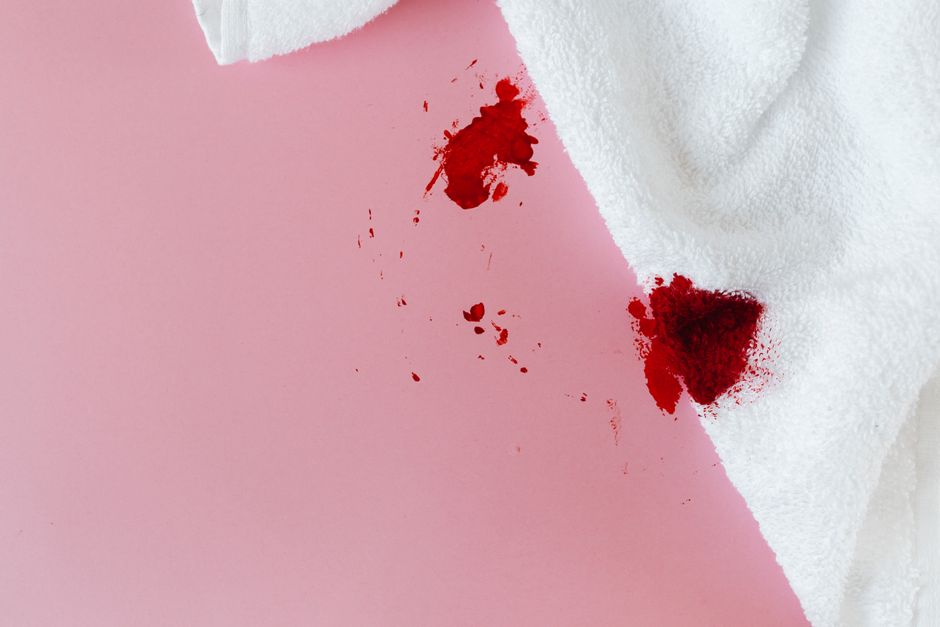
Emergency stain removal and cleaning Dulwich Village same day
If you have just spilled red wine on a cream carpet, knocked over coffee on a sofa, or discovered a muddy track across the hallway, you do not need a lecture. You need a plan. Emergency stain removal and cleaning Dulwich Village same day is about acting quickly, using the right method for the material, and stopping a small accident from becoming a permanent mark.
In a place like Dulwich Village, where homes, period interiors, managed properties, and busy family spaces all ask a lot from their floors and upholstery, speed really matters. The first hour can change the result quite a bit. This guide explains what same-day stain cleaning involves, what to do before help arrives, which mistakes make stains worse, and how to judge whether a stain needs a specialist rather than a quick dab with whatever is under the sink. Let's face it, most people reach for the nearest cloth first. That's normal. But the next step matters more.
Why emergency stain removal matters
Stains are not all the same. A splash of tea on wool carpet behaves very differently from a greasy mark on a hard floor, and both are different again from a fresh ink stain on upholstery. The sooner you treat a spill, the less time it has to bind with fibres, soak into underlay, or spread sideways. That spreading is sneaky. You may only see a small spot on top, while the real damage is travelling deeper.
Same-day stain removal matters because many common household stains start changing almost immediately. Protein stains, food dyes, oily residues, pet accidents, and some drinks can set quickly. Heat, friction, and the wrong product can lock them in even faster. A rushed scrub can also distort pile, fade dyes, or leave a pale patch that looks worse than the original mark. Bit of a nightmare, honestly.
In Dulwich Village, the need can be especially pressing if you are preparing for guests, handing back a rental, running a small business, or trying to protect a delicate floor covering in a home with children and pets. Quick response is often the difference between a manageable treatment and a deeper restoration job. If the spill is on carpet, it may also overlap with wider care such as professional carpet cleaning or a more targeted stain removal treatment when the mark has already started to settle.
What people often underestimate is the emotional side. A fresh stain can make a room feel untidy in seconds, even when everything else is spotless. That stress is real. A same-day response gives you back a sense of control.
How same-day stain removal works
Emergency cleaning is usually a sequence of assessment, spot testing, controlled treatment, and careful drying. The order matters more than speed alone. A good cleaner will first identify the surface, the stain type, and any risk factors such as wool fibres, natural dye, antique fabric, sealed stone, laminate, or hardwood. Then they decide what to do next. Simple enough in theory, but there is a lot going on under the surface.
For textiles, the usual process is to reduce residue, use a compatible spotting agent, work from the outside of the stain inward, and extract rather than aggressively rub. For hard floors, the job might involve pH-appropriate cleaners, residue-free wiping, and extra care around grout, seams, or unfinished edges. For upholstery, moisture control is crucial. Too much liquid, and you can end up with water rings, slow drying, or wicking, where the stain comes back up as the fabric dries.
Same-day work is often built around fast diagnosis. A stubborn coffee stain on a synthetic rug may respond well to quick extraction, while a berry or wine spill may need a staged approach. Pet accidents can need both stain treatment and odour neutralisation. If the incident involves a sofa or armchair, a targeted service such as sofa cleaning or upholstery cleaning may be the smarter choice than a general wipe-down.
In practical terms, same-day cleaning usually means:
- fast triage over the phone or on arrival
- identifying the stain and material
- testing a discreet area first, where appropriate
- choosing the least aggressive method that can still work
- extracting moisture and residue carefully
- checking for shadowing, rings, or return staining after drying
If the issue is a pet accident, the right follow-up can include a focused pet stain odour removal approach, which is often more effective than simply masking the smell. Trust me, you do not want to discover the odour has returned at 9 p.m. when the heating kicks in.
Key benefits and practical advantages
The obvious benefit is stain reduction, but there is more to it than that. Same-day treatment can protect the value and appearance of your interiors, reduce the chance of permanent damage, and save time you would otherwise spend experimenting with products that may or may not help. Sometimes the cheap option becomes the expensive one. Happens all the time.
Practical advantages include:
- Faster visual recovery: rooms look presentable again before guests, tenants, or clients arrive.
- Lower risk of setting: acting early can stop stains from bonding deeply into fibres.
- Less chance of fibre damage: expert spotting avoids unnecessary scrubbing.
- Better odour control: especially important with food, drink, milk, pet accidents, or smoke residue.
- More accurate treatment: the right method depends on the stain, not just the surface.
- Cleaner finish: good extraction leaves fewer residues that attract dirt later.
There is also a peace-of-mind benefit. Once the stain is being handled properly, the room stops feeling like an emergency zone. A small practical win, yes, but in the moment it feels huge.
For landlords and tenants, same-day treatment can be especially useful before check-out or inventory visits. For businesses, it helps maintain a tidy first impression in reception areas, meeting rooms, and shared spaces. If the issue is broader than one stain, you may need a wider deep cleaning visit or even one-off cleaning to restore the space properly.
Who this is for and when it makes sense
Emergency stain cleaning is not only for dramatic disasters. It helps anyone who wants to minimise damage quickly and sensibly. A few common scenarios come up again and again.
- Homeowners: a drink spill, food stain, mud trail, or pet accident that needs quick attention.
- Tenants and landlords: urgent marks before moving out, inventory inspections, or new occupants arrive.
- Airbnb or short-let hosts: fast turnaround between guests when the property has to look polished, not "nearly cleaned".
- Offices and studios: coffee spills, ink marks, or tracked-in dirt in communal spaces.
- Families with children or pets: everyday life happens, and sometimes all at once.
This sort of service makes sense when the stain is fresh, visible, and likely to worsen if left. It also makes sense when you are not sure what the fabric or floor finish can tolerate. That uncertainty is a big clue. If you are guessing, it is often better to pause and ask for specialist help.
Some cases are more urgent than others. Red wine on pale carpet? Act immediately. Grease on a rug near the kitchen? Same-day is wise. Unknown liquid on a family sofa? Worth treating as soon as possible. If the stain is on a rug rather than fitted flooring, a dedicated rug cleaning service may be appropriate, especially for natural fibres or hand-finished pieces.
Step-by-step guidance
Here is a practical way to handle the situation before, during, and after professional help. Keep it calm. No heroics.
- Act fast, but do not panic. Take a breath and identify what spilled if you can.
- Blot, do not rub. Use clean white paper towels or a plain cloth to lift liquid gently.
- Remove solids carefully. Scoop up food, glass, or debris without pressing it into the surface.
- Avoid random chemicals. Bleach, strong detergents, vinegar, and baking-soda mixes can all make things worse on the wrong material.
- Check the material. Wool, silk, viscose, leather, stone, and sealed wood each need different handling.
- Contain spread. Work from the outside of the stain inward so you do not enlarge the mark.
- Call for same-day help if needed. The fresher the stain, the more treatment options remain.
- Let the area dry properly. Use airflow, but avoid excessive heat unless advised.
- Recheck after drying. Some stains fade at first and then reappear as the fibres dry.
A quick example: a mug of coffee goes over a hallway carpet at 8:15 a.m. You blot immediately, avoid scrubbing, and keep the area from being walked on. By late morning, a cleaner can still often work on the mark effectively. Leave it until tomorrow and you may be dealing with a darker ring, residue spread, and a much more stubborn problem. Same spill, very different outcome.
If your property needs a broader refresh at the same time, you might combine the stain job with house cleaning, domestic cleaning, or even steam carpet cleaning where the fabric and stain type allow it. The best approach depends on the surface, not the calendar.
Expert tips for better results
In our experience, the best outcomes usually come from restraint. That may sound boring, but it is true. The temptation is to attack the stain with everything you have. Usually that is the mistake.
- Test before treating. Even mild products can affect dyes, finishes, or pile texture.
- Use white cloths. Coloured cloths can transfer dye onto damp fibres. Annoying, and avoidable.
- Work in stages. Remove residue first, then treat the stain, then extract and dry.
- Keep moisture controlled. Too much liquid can spread the stain or damage the backing.
- Watch for wicking. A mark may return later if residue remains below the surface.
- Protect nearby materials. Curtains, skirting boards, and woodwork can also be affected by splash or overspray.
A useful rule of thumb: if the stain is older than a few hours, or if you have already used a product on it, tell the cleaner exactly what happened. That information really helps. No judgment, just useful facts. The wrong pre-treatment can narrow the options, but it does not always ruin the job.
For fabric furniture, pairing stain work with sofa cleaning or broader upholstery cleaning can improve the finish if the item has general soiling as well as the fresh mark. And if odour is part of the problem, especially with pets, be honest about it at the start. Odour and stain are related, but not identical. Treating one without the other can leave you half-sorted, which is frustrating.
Common mistakes to avoid
Most stain disasters are not caused by the original spill. They happen in the minutes after. A bit harsh, but true.
- Rubbing hard: this drives the stain deeper and roughs up fibres.
- Using hot water too soon: heat can set some stains, especially protein-based ones.
- Mixing products: different cleaners can react badly together and leave residues.
- Overwetting the area: excessive moisture can spread the stain or cause damp patches.
- Ignoring material type: what is safe on synthetic carpet may be unsuitable for wool or silk.
- Waiting too long: dried stains are harder, slower, and often more expensive to treat.
One odd but common mistake is trying to make the stain look invisible before it has actually been treated. People blot, wipe, and press until the surface looks cleaner, then stop. But if residue remains below the top layer, it may come back. That is why extraction and proper drying matter as much as the first wipe.
If the stain has affected hard flooring as well as soft furnishings, a specialist hard floor cleaning approach may be safer than using the same product everywhere. Different surfaces, different rules. Slightly tedious, yes, but worth it.
Tools, resources and recommendations
You do not need a cupboard full of fancy products to handle a fresh spill responsibly. In fact, fewer products often means less risk. A few sensible items are enough for most emergencies.
| Item | Best use | Why it helps |
|---|---|---|
| White absorbent cloths or paper towels | Initial blotting | Helps lift liquid without transferring colour |
| Soft spoon or blunt edge | Removing solids | Reduces pressure on fibres and pile |
| Clean lukewarm water | Basic controlled rinse, where appropriate | Safer than guessing with strong cleaners |
| Fan or open window | Drying | Helps prevent lingering damp and odour |
| Protective gloves | General handling | Useful when dealing with unknown substances |
Useful service pages can also help you decide what kind of intervention is most sensible. For example, if the stain affects a chair, mattress, or seat cushion, the relevant service might be mattress cleaning or another specialist upholstery treatment. If the problem is ongoing rather than sudden, a plan built around regular cleaning can make future accidents easier to manage. Prevention is underrated. A bit.
For customers wanting to compare service scope, the provider's pricing and quotes page is typically a useful place to start, while payment and security and insurance and safety are worth reviewing if you want reassurance before booking. Those are the sorts of details people only think about after the messy bit is over, but they matter.
Law, compliance, standards, and best practice
For a same-day stain service, the main compliance concerns are less about the stain itself and more about safe working, honest communication, and careful treatment of materials in a domestic or commercial setting. In the UK, good practice usually means using suitable products, following manufacturer guidance where available, managing risk sensibly, and avoiding unnecessary damage. That sounds basic because it is. But basics are what keep a quick clean from turning into a complaint.
For homes and workplaces, you should expect clear explanations about what can and cannot be removed, how long drying might take, and whether any areas need to stay out of use. Where chemicals are involved, proper handling and ventilation matter. For shared buildings, halls, or managed properties, courtesy and access planning are also part of best practice. Nobody wants a wet corridor at rush hour.
It is also sensible to expect the cleaner to be transparent about limits. Some stains, especially old dye transfer, bleach damage, or heat-set marks, may improve without fully disappearing. Being careful with that promise is a sign of professionalism, not weakness. A trustworthy provider will tell you when a mark is likely to lighten rather than vanish completely.
If the clean is part of a larger move or property reset, related services such as move in cleaning, move out cleaning, or end of tenancy cleaning may be more appropriate than treating a single stain in isolation. That broader view is often what keeps a property looking genuinely ready rather than just "less messy".
Options, methods, and comparison table
Not every stain needs the same response. Here is a simple comparison to help you judge the likely approach. This is a guide, not a promise, because the exact result depends on fabric, age of stain, and what was spilled in the first place.
| Method | Best for | Pros | Limitations |
|---|---|---|---|
| Blotting only | Fresh liquid spills | Fast, safe first step | Rarely enough on its own |
| Targeted spot treatment | Small, known stains | Efficient and precise | Needs correct stain identification |
| Extraction cleaning | Carpet and some upholstery stains | Removes residue more thoroughly | May need longer drying |
| Steam-based cleaning | Suitable carpets with broader soiling | Good for deeper refresh | Not ideal for every fibre or stain |
| Specialist odour treatment | Pet accidents and lingering smells | Helps tackle both stain and smell | May need follow-up if contamination is deep |
For larger spill areas, or if several surfaces have been affected, a broader clean such as one-off cleaning can sometimes be the cleanest way to reset the space. If the incident happened after construction or decorating work, the right fit may be after builders cleaning, because dust and residue can complicate stain work more than people expect.
Case study or real-world example
Picture a late-Friday afternoon in Dulwich Village. A family is preparing for visitors, and a glass of blackcurrant juice tips over onto a light carpet in the sitting room. The spill is caught quickly, but the carpet is slightly textured and the juice has already spread in a thin halo. You can almost see the panic start to rise. Very familiar scene.
The first move is to blot gently and keep the area still. No rubbing, no supermarket mystery spray, no hot water. Because the carpet fibres are vulnerable to aggressive agitation, the cleaner identifies the spill type and chooses a controlled stain treatment rather than a heavy all-over approach. After a careful spot process and extraction, the visible stain improves significantly, and the area is dried with good airflow. By evening, the room is usable again, and the family can focus on their guests instead of the carpet.
Now, to be fair, not every story ends that neatly. If the spill had been left overnight, or if a coloured stain had already been scrubbed hard, the result might have been partial lightening rather than a clean removal. But that is exactly why same-day response is valuable. It buys you options.
For a small business, the same principle applies. A coffee spill in an office reception can make the whole front area feel untidy. A quick response through office cleaning or a targeted stain visit can restore a professional first impression without turning the day upside down.
Practical checklist
Use this checklist when you are dealing with a fresh stain and need to decide what to do next.
- Identify the stain if possible: food, drink, grease, ink, mud, pet accident, or unknown.
- Blot gently with a clean white cloth.
- Do not rub, scrub, or use heat too early.
- Keep people and pets away from the area.
- Note what products, if any, have already been applied.
- Check whether the affected surface is carpet, rug, upholstery, mattress, or hard floor.
- Decide whether same-day support is needed based on stain size, smell, and material sensitivity.
- Ask about drying time and any temporary access restrictions.
- Reinspect the area once dry for shadowing or return staining.
- Consider a broader clean if the stain is part of a general build-up of dirt.
A quick tidy-up is not the same thing as proper treatment. Small difference, big outcome. If you keep that in mind, you are already ahead of the game.
Get a free quote today and see how much you can save.
Conclusion
Emergency stain removal and cleaning in Dulwich Village on the same day is about more than speed. It is about using judgement, protecting materials, and dealing with the spill while it is still manageable. Fresh stains are frustrating, but they are often far less serious when handled early and carefully. That simple truth saves a lot of stress.
If you remember only three things, make them these: blot, do not rub; avoid random products; and act quickly when the stain is fresh. Whether the mark is on carpet, sofa, rug, mattress, or floor, the right first response can make a huge difference. And if you are unsure, that is a good moment to ask for expert help rather than gambling on a bottle under the sink.
For more background on the company behind the service, you can also review the about us page or use the contact us page when you are ready to talk through the issue. Sometimes a quick conversation is all it takes to turn a messy afternoon into a manageable one.
And honestly, that first clean result can feel like a deep breath in the room again.
Frequently Asked Questions
How quickly should I act after a stain appears?
As quickly as you can. The first few minutes are the best time to blot and stop spread. After that, the stain may start to bond with the material, which makes removal more difficult.
Can every stain be removed the same day?
No, not every stain will disappear completely. Fresh stains are much more likely to improve, but results depend on the material, the stain type, and whether it has already been treated or scrubbed.
Should I use hot water on a fresh stain?
Not unless you know the stain type and the fabric can handle it. Heat can set some stains, especially protein-based ones and certain dyes. Lukewarm water is usually safer as a first step, if water is appropriate at all.
What is the biggest mistake people make with stains?
Rubbing. It sounds harmless, but rubbing pushes the stain deeper and can damage the fibres or finish. A gentle blot is usually the better move.
Is same-day stain removal available for upholstery as well as carpets?
Yes, it can be. Sofas, chairs, cushions, and other upholstered items often benefit from rapid treatment, especially if the stain is fresh and the fabric is suitable for controlled cleaning.
What if the stain smells as well as looks bad?
That usually means the issue is deeper than surface discolouration. Pet accidents, milk, food residue, and some drink spills can leave lingering odour. In those cases, a specific odour treatment may be needed alongside stain removal.
Can I clean a rug the same way as fitted carpet?
Not always. Rugs can have different backings, dyes, and fibres, so they often need a more careful approach. A dedicated rug treatment is often safer, especially for delicate or hand-finished pieces.
How do I know whether my stain is suitable for steam cleaning?
It depends on the fibre and the stain. Some carpets respond well to steam-based methods, while others do not. Delicate fibres, certain dyes, and some spot stains need a different technique first.
Will professional cleaning damage my carpet or sofa?
A careful, well-matched clean should reduce risk rather than increase it. The key is using the right method for the surface and testing where appropriate. Being honest about the material helps a lot.
What should I tell the cleaner before they arrive?
Tell them what spilled, when it happened, what you have already tried, the type of surface, and whether there is any smell. That information helps them choose the safest and most effective method.
Do I need a full-house clean if only one stain happened?
Not necessarily. If the stain is isolated, a targeted clean may be enough. But if there is broader dirt, general soiling, or several affected areas, a wider service such as house cleaning or one-off cleaning may be more sensible.
What if the stain came from a pet accident?
Then fast action is even more important. Pet accidents can affect fibres, underlay, and odour. A stain-only approach may not be enough, so a more specialised pet stain odour treatment is often the better route.